The Line Around the Block: Star Wars, 1977, and Everything After
November 12, 20264 min readBy Cinema Timelines
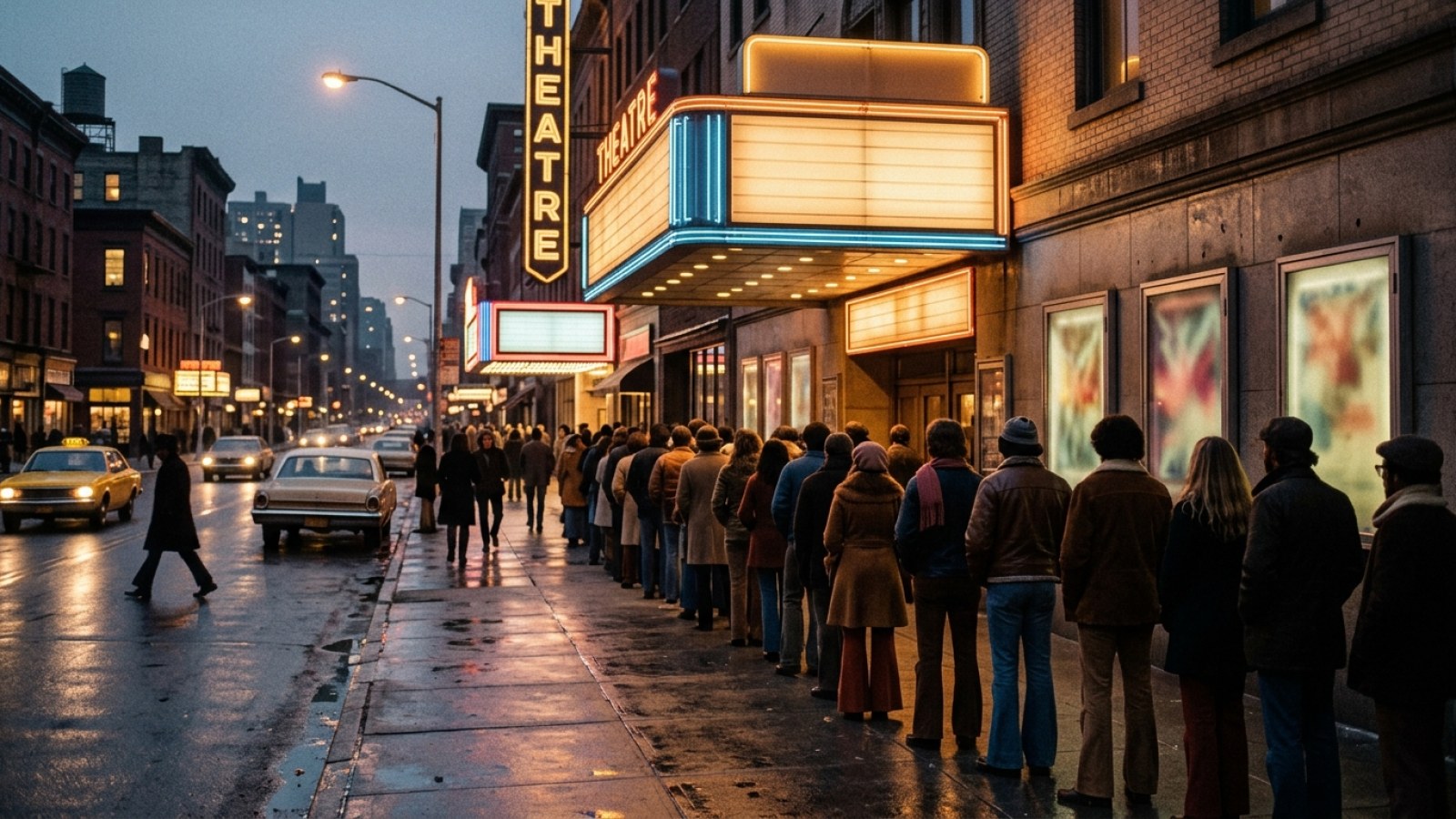
A 1970s city street at dusk: a theatre's blank marquee glows above a long queue of people in period coats and flared trousers stretching down the wet sidewalk, with a yellow taxi passing. · AI illustration
AUDIENCE HISTORY
The Line Around the Block: Star Wars, 1977, and Everything After
By Cinema Timelines ·
Star Wars opened in just 32 theatres on a Wednesday in May 1977. What followed changed more than the box office: it taught audiences to come back, again and again, to the same story, from the queue outside the cinema to the streaming screen at home.
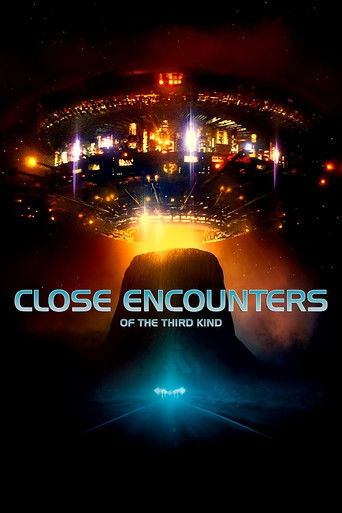
On Wednesday, May 25, 1977, Star Wars opened in 32 theatres in the United States. Nobody involved expected much. The cast and crew had believed during production that the film would fail, it had run $3 million over budget, and Twentieth Century Fox had struggled to get cinemas to book it at all. Another theatre was added on Thursday and ten more on Friday. Within weeks the queues outside were the story. The film's place on the timeline is usually told through its special effects and its toys, and our network's 1977 crossroads story sets it beside the Apple II and Close Encounters. This is the audience's side of it: how one film changed what people expected from a night at the movies, and what happened in the half-century after.
A Film That Kept Coming Back
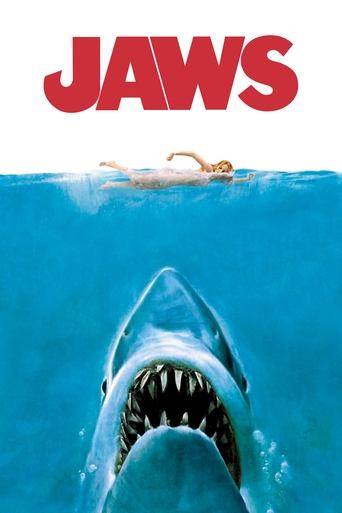
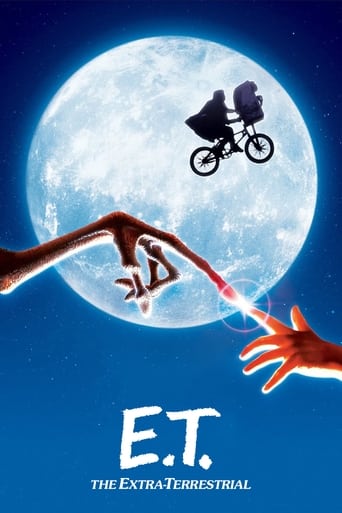
Two summers earlier, Jaws had shown what a wide opening backed by television advertising could do, arriving on 464 screens at once in June 1975. Star Wars did something different. It started small and grew, and then it refused to leave. More than a year after its first release, on July 21, 1978, it was expanded to 1,744 theatres and set a new US weekend record of $10.2 million. Fox sent it back out in 1979, again in 1981, and again in 1982. The 1981 reissue added the subtitle Episode IV – A New Hope, a quiet signal that this was one chapter of something longer. By then Star Wars had become the first film to gross $500 million worldwide, and it stayed the highest-grossing film of all time until E.T. the Extra-Terrestrial passed it.
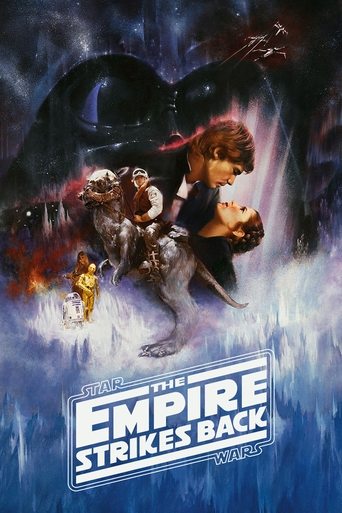
Audiences were not just seeing it; they were seeing it again. That habit of the repeat viewing, and of the sequel as an event, shaped the decades that followed. The Empire Strikes Back came in 1980 and Return of the Jedi in 1983. At the Academy Awards the first film won six Oscars. The Academy also gave a Special Achievement Award to Ben Burtt and a Scientific and Engineering Award for the Dykstraflex motion-control camera system, built by John Dykstra's team at Industrial Light & Magic, the effects company Lucas had founded for the film in 1975.
Caring About the Room
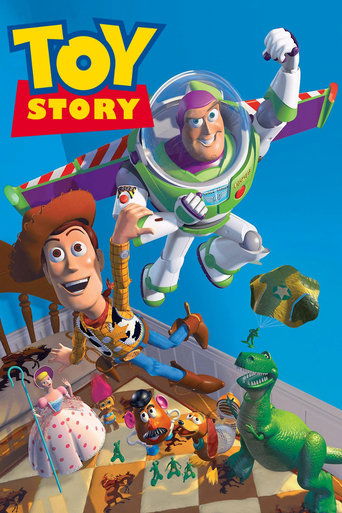
One consequence was aimed squarely at the audience's experience. George Lucas was unhappy with how Return of the Jedi looked and sounded in many cinemas, and Lucasfilm answered by creating THX, unveiled on May 20, 1983, a standard for how a theatre should present a film. The work at Lucasfilm's computer division, meanwhile, went in an unexpected direction: its Graphics Group was later sold to Steve Jobs, renamed Pixar, and went on to make Toy Story, the first computer-animated feature.
The film itself kept returning. In 1989 the Library of Congress named Star Wars among the first 25 films in the National Film Registry, the only film from the 1970s in that first group. In 1997 a Special Edition, with new scenes and effects, became the highest-grossing reissue of all time at $138.3 million in the United States and Canada, putting the twenty-year-old film back at number one on the all-time domestic chart. The changes divided fans, a debate about whether a filmmaker may revise a finished film that has never fully gone away.
Every Screen at Once
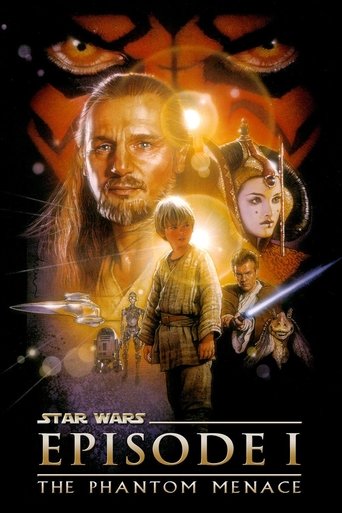
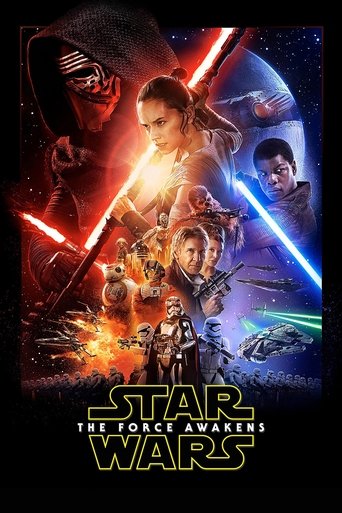
The next chapters arrived as the cinema itself was changing. When The Phantom Menace opened in 1999, four theatres showed it with digital projectors, an early glimpse of the end of the film print. (How its sequel was shot without film is a story told on our sister site, Film Timelines.) On October 30, 2012, Disney acquired Lucasfilm for $4.05 billion, and The Force Awakens (2015) became the highest-grossing film ever released in the United States and Canada.
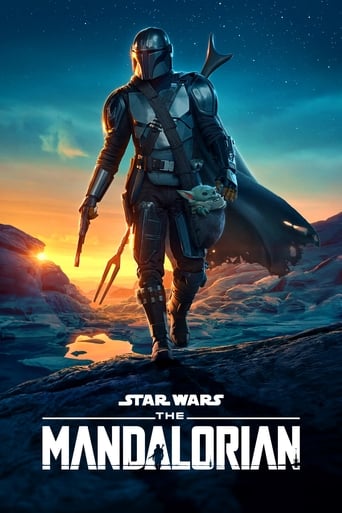
Then the saga moved into the living room. The Mandalorian, a live-action series, premiered on November 12, 2019, the day Disney's streaming service launched. A story that began with a queue outside 32 cinemas now arrived on phones, televisions and theatre screens at once. The old questions came with it: what counts as an event, what the big screen is for, and whether an audience gathered in the dark is still the heart of cinema. They are the questions the end of this timeline is still asking.
Films in this article
Open any title for its cast, box office and trailer. Budget and worldwide gross from TMDB where published.
Title
Director / creator
Starring
Budget
Worldwide gross
(1977)
George Lucas
Mark Hamill, Harrison Ford, Carrie Fisher
$11M
$775.4M
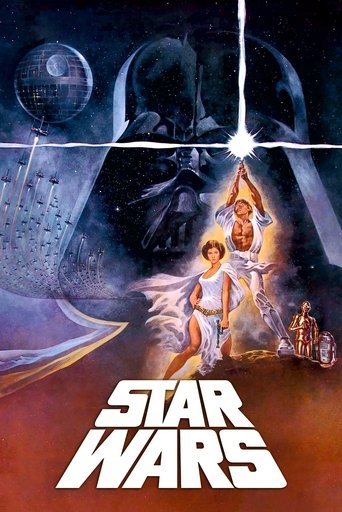
Star Wars (1977)
A long time ago in a galaxy far, far away...
Director
Released
May 25, 1977
Runtime
2h 1m
Budget
$11M
Worldwide gross
$775.4M
Starringas Luke Skywalker · as Han Solo · as Princess Leia Organa · as Grand Moff Tarkin · as Obi-Wan "Ben" Kenobi
George Walton Lucas Jr. (born May 14, 1944) is an American filmmaker and entrepreneur. Lucas is known for creating the Star Wars and Indiana Jones franchises and founding Lucasfilm, LucasArts and Industrial Light & Magic.
Also known forReturn of the Jedi(1983) · Star Wars: Episode I - The Phantom Menace(1999) · Star Wars: Episode III - Revenge of the Sith(2005) · Star Wars: Episode II - Attack of the Clones(2002)
Born September 25, 1951 · Oakland, California, USA
Mark Richard Hamill (born September 25, 1951) is an American actor. He is best known for starring as Luke Skywalker in the Star Wars franchise and the Joker in various animated DC Comics projects, starting with Batman: The Animated Series in 1992.
Through the 1980s, Hamill distinguished himself from his Star Wars role by pursuing a Broadway theatre career, starring in productions of The Elephant Man, Amadeus and The…
Also known forStar Wars: The Force Awakens(2015) · The Empire Strikes Back(1980) · Kingsman: The Secret Service(2015) · Return of the Jedi(1983)
Legendary Hollywood Icon Harrison Ford was born on July 13, 1942 in Chicago, Illinois. His family history includes a strong lineage of actors, radio personalities, and models. Ford attended public high school in Park Ridge, Illinois where he was a member of the school Radio Station WMTH. Ford worked as the lead voice for sports reporting at WMTH for several years. Acting wasn't a major interest to Ford until his juni…
Also known forStar Wars: The Force Awakens(2015) · The Empire Strikes Back(1980) · Return of the Jedi(1983) · Blade Runner 2049(2017)
Born October 21, 1956 · Beverly Hills, Los Angeles, California, USA · Died December 27, 2016
Carrie Frances Fisher (October 21, 1956 – December 27, 2016) was an American actress, novelist, screenwriter, and lecturer. Daughter of the famous actors Debbie Reynolds and Eddie Fisher, she gained fame for her portrayal of Princess Leia Organa in the original Star Wars trilogy. Her novel Postcards from the Edge was also a bestseller, for which she wrote a screenplay to the film of the same name.
Also known forStar Wars: The Force Awakens(2015) · The Empire Strikes Back(1980) · Return of the Jedi(1983) · Star Wars: The Last Jedi(2017)
Born May 26, 1913 · Kenley, Surrey, England, UK · Died August 11, 1994
Peter Wilton Cushing, OBE (26 May 1913 – 11 August 1994) was an English actor, known for his many appearances in Hammer Films, in which he played Baron Frankenstein and Dr. Van Helsing, amongst many other roles, often appearing opposite Christopher Lee, and occasionally Vincent Price.
Also known forTop Secret!(1984) · Dracula(1958) · The Hound of the Baskervilles(1959) · Tales from the Crypt(1972)
Born April 2, 1914 · Marylebone, London, England, UK · Died August 5, 2000
Sir Alec Guinness, CH, CBE (born Alec Guinness de Cuffe; 2 April 1914 – 5 August 2000) was an English actor. He was featured in several of the Ealing Comedies, including Kind Hearts and Coronets in which he played eight different characters. He later won the Academy Award for Best Actor for his role as Colonel Nicholson in The Bridge on the River Kwai.
Also known forStar Wars: The Force Awakens(2015) · The Empire Strikes Back(1980) · Return of the Jedi(1983) · Star Wars: The Rise of Skywalker(2019)
Princess Leia is captured and held hostage by the evil Imperial forces in their effort to take over the galactic Empire. Venturesome Luke Skywalker and dashing captain Han Solo team together with the loveable robot duo R2-D2 and C-3PO to rescue the beautiful princess and restore peace and justice in the Empire.
Steven Allan Spielberg KBE (born December 18, 1946) is an American filmmaker. A major figure of the New Hollywood era and pioneer of the modern blockbuster, Spielberg is widely regarded as one of the greatest and most influential filmmakers in the history of cinema and is the highest-grossing film director of all time. Among other accolades, he has received three Academy Awards, four Golden Globe Awards and three BAF…
Also known forJurassic Park(1993) · Schindler's List(1993) · Saving Private Ryan(1998) · Catch Me If You Can(2002)
Born October 29, 1947 · Brooklyn, New York City, New York, USA
Richard Dreyfuss (born October 29, 1947) is an American actor. He has starred in film, television, and theater roles since the late 1960s, including the films American Graffiti, Jaws, Close Encounters of the Third Kind, The Goodbye Girl, Stakeout, Always, What About Bob? and Mr. Holland's Opus. He won the Academy Award for Best Actor in 1977 for The Goodbye Girl, and was nominated in 1995 for Mr. Holland's Opus.
Also known forJaws(1975) · RED(2010) · Stand by Me(1986) · Family Guy(1999)
Born February 6, 1932 · Paris, France · Died October 21, 1984
François Roland Truffaut (February 6, 1932 – October 21, 1984) was an influential film critic and filmmaker and one of the founders of the French New Wave. In a film career lasting over a quarter of a century, he remains an icon of the French film industry. He was also a screenwriter, producer, and actor working on over twenty-five films.
Also known forThe 400 Blows(1959) · Day for Night(1973) · Bed and Board(1970) · The Wild Child(1970)
Born December 11, 1944 · Lakewood, Ohio, USA · Died October 29, 2024
Teri Ann Garr (December 11, 1944 – October 29, 2024) was an American actress, dancer and singer. She frequently appeared in comedic roles throughout her career, which spanned four decades and includes over 140 credits in film and television.
Also known forFriends(1994) · Dumb and Dumber(1994) · Law & Order: Special Victims Unit(1999) · Young Frankenstein(1974)
Born October 13, 1939 · Hope, Arkansas, USA · Died January 9, 2023
Melinda Rose Dillon (October 13, 1939 - January 9, 2023) was a twice Oscar nominated American actress. She was best known for her roles in Close Encounters of the Third Kind, Absence of Malice and the holiday classic A Christmas Story.
Also known forLaw & Order: Special Victims Unit(1999) · Magnolia(1999) · A Christmas Story(1983) · Reign Over Me(2007)
Robert Elmer Balaban, Born: August 16, 1945, Chicago, Illinois, U.S (Height: 5' 5" [1.65 m]). is an American actor, author, comedian, director, and producer. He is best known for his appearances in the Christopher Guest mockumentary comedies Waiting for Guffman (1996), Best in Show (2000), A Mighty Wind (2003), and For Your Consideration (2006), as well as his roles in the films Midnight Cowboy (1969), Close Encount…
Also known forThe Grand Budapest Hotel(2014) · The Simpsons(1989) · Friends(1994) · Moonrise Kingdom(2012)
After an encounter with UFOs, an electricity linesman feels undeniably drawn to an isolated area in the wilderness where something spectacular is about to happen.
Steven Allan Spielberg KBE (born December 18, 1946) is an American filmmaker. A major figure of the New Hollywood era and pioneer of the modern blockbuster, Spielberg is widely regarded as one of the greatest and most influential filmmakers in the history of cinema and is the highest-grossing film director of all time. Among other accolades, he has received three Academy Awards, four Golden Globe Awards and three BAF…
Also known forJurassic Park(1993) · Schindler's List(1993) · Saving Private Ryan(1998) · Catch Me If You Can(2002)
Born November 10, 1932 · Orange, New Jersey, USA · Died February 10, 2008
Roy Richard Scheider (/ˈʃaɪdər/; November 10, 1932 – February 10, 2008) was an American actor and amateur boxer who achieved fame with his leading and supporting roles in celebrated films from the 1970s to the mid-1980s. He was nominated for two Academy Awards, one Golden Globe, and one BAFTA.
Also known forFamily Guy(1999) · The Punisher(2004) · The French Connection(1971) · Jaws 2(1978)
Born August 9, 1927 · Westhoughton, Lancashire, England, UK · Died August 28, 1978
Robert Archibald Shaw (9 August 1927 – 28 August 1978) was an English stage and film actor and novelist, remembered for his performances in The Sting, From Russia with Love, A Man for All Seasons, the original The Taking of Pelham One Two Three (1974), Black Sunday (1977), The Deep (1977) and Jaws, where he played the shark hunter Quint.
Also known forFrom Russia with Love(1963) · The Sting(1973) · The Taking of Pelham One Two Three(1974) · A Man for All Seasons(1966)
Born October 29, 1947 · Brooklyn, New York City, New York, USA
Richard Dreyfuss (born October 29, 1947) is an American actor. He has starred in film, television, and theater roles since the late 1960s, including the films American Graffiti, Jaws, Close Encounters of the Third Kind, The Goodbye Girl, Stakeout, Always, What About Bob? and Mr. Holland's Opus. He won the Academy Award for Best Actor in 1977 for The Goodbye Girl, and was nominated in 1995 for Mr. Holland's Opus.
Also known forRED(2010) · Stand by Me(1986) · Family Guy(1999) · Close Encounters of the Third Kind(1977)
Born August 16, 1937 · New York City, New York, USA
Lorraine Gary (born Lorraine Gottfried; August 16, 1937) is an American actress. She is best famous for portraying Ellen Brody in the films Jaws, Jaws 2, and Jaws: The Revenge, as well as in the films 1941 and Car Wash.
Also known forJaws 2(1978) · Jaws: The Revenge(1987) · 1941(1979) · Kojak(1973)
Born March 24, 1923 · Washington, North Carolina, USA · Died September 1, 1986
From Wikipedia, the free encyclopedia
Murray Hamilton (March 24, 1923 – September 1, 1986) was an American actor. He is best known for his role as Mayor Larry Vaughn in the 1975 film "Jaws" and its sequels, "Jaws 2" and "Jaws: The Revenge". Hamilton also starred in several other well-known films such as "The Graduate", "The Hustler" and "The Amityville Horror".
Also known forThe Graduate(1967) · Jaws 2(1978) · Anatomy of a Murder(1959) · The Hustler(1961)
When the seaside community of Amity finds itself under attack by a dangerous great white shark, the town's chief of police, a young marine biologist, and a grizzled shark hunter embark on a desperate quest to kill the beast before it strikes again.
Steven Allan Spielberg KBE (born December 18, 1946) is an American filmmaker. A major figure of the New Hollywood era and pioneer of the modern blockbuster, Spielberg is widely regarded as one of the greatest and most influential filmmakers in the history of cinema and is the highest-grossing film director of all time. Among other accolades, he has received three Academy Awards, four Golden Globe Awards and three BAF…
Also known forJurassic Park(1993) · Schindler's List(1993) · Saving Private Ryan(1998) · Catch Me If You Can(2002)
Henry Jackson Thomas, Jr. (born September 9, 1971) is an American actor and musician. He has appeared in more than 60 films and is best known for his role as Elliott in the 1982 Steven Spielberg film E.T. the Extra-Terrestrial.
Description above from the Wikipedia article Henry Thomas, licensed under CC-BY-SA, full list of contributors on Wikipedia.
Also known forGangs of New York(2002) · Doctor Sleep(2019) · The Mentalist(2008) · Law & Order: Special Victims Unit(1999)
Born February 22, 1975 · Culver City, California, USA
Drew Blythe Barrymore (born February 22, 1975) is an American actress, director, producer, businesswoman, and talk show host. She is the recipient of numerous accolades, including a Golden Globe and a Screen Actors Guild Award, as well as five Emmy Award nominations and a BAFTA nomination.
Also known forDonnie Darko(2001) · The Simpsons(1989) · Scream(1996) · 50 First Dates(2004)
Born December 19, 1966 · New York City, New York, USA
From Wikipedia, the free encyclopedia.
Robert MacNaughton (born December 19, 1966) is an American actor, best known for his role as Elliott's brother Michael in E.T. the Extra-Terrestrial, for which he won a 1983 Young Artist Award as Best Young Supporting Actor in a Motion Picture.
Also known forNewhart(1982) · Frankenstein vs. The Mummy(2015) · Laugh Killer Laugh(2015) · Amen(1986)
Born October 10, 1941 · New York City, New York, USA
Peter Coyote (born Rachmil Pinchus Ben Mosha Cohon; October 10, 1941) is an American actor, author, director, screenwriter and narrator of films, theatre, television and audio books. His voice work includes narrating the opening ceremony of the 2002 Winter Olympics and Apple's iPad campaign.
Also known forThe Simpsons(1989) · A Walk to Remember(2002) · Erin Brockovich(2000) · Patch Adams(1998)
Dee Wallace (born 14 December 1948) is an American actress and comedienne. She is perhaps best known for her roles in several popular films. These include the starring role as Elliot's mother in the Steven Spielberg film E.T. the Extra-Terrestrial (1982), her most widely seen role.
Also known forGrey's Anatomy(2005) · Supernatural(2005) · The Office(2005) · Criminal Minds(2005)
An alien is left behind on Earth and saved by the 10-year-old Elliott who decides to keep him hidden in his home. While a task force hunts for the extra-terrestrial, Elliott, his brother, and his little sister Gertie form an emotional bond with their new friend, and try to help him find his way home.
Born April 29, 1923 · Philadelphia, Pennsylvania, USA · Died November 27, 2010
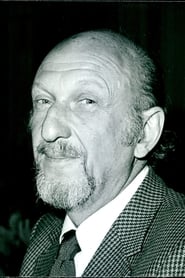
Irvin Kershner (born Isadore Kershner; April 29, 1923 – November 27, 2010) was an American director for film and television. Early in his career as a filmmaker he directed quirky, independent drama films, while working as a lecturer at the University of Southern California.
Also known forRoboCop 2(1990) · Never Say Never Again(1983) · Eyes of Laura Mars(1978) · Amazing Stories(1985)
Born September 25, 1951 · Oakland, California, USA
Mark Richard Hamill (born September 25, 1951) is an American actor. He is best known for starring as Luke Skywalker in the Star Wars franchise and the Joker in various animated DC Comics projects, starting with Batman: The Animated Series in 1992.
Through the 1980s, Hamill distinguished himself from his Star Wars role by pursuing a Broadway theatre career, starring in productions of The Elephant Man, Amadeus and The…
Also known forStar Wars(1977) · Star Wars: The Force Awakens(2015) · Kingsman: The Secret Service(2015) · Return of the Jedi(1983)
Legendary Hollywood Icon Harrison Ford was born on July 13, 1942 in Chicago, Illinois. His family history includes a strong lineage of actors, radio personalities, and models. Ford attended public high school in Park Ridge, Illinois where he was a member of the school Radio Station WMTH. Ford worked as the lead voice for sports reporting at WMTH for several years. Acting wasn't a major interest to Ford until his juni…
Also known forStar Wars(1977) · Star Wars: The Force Awakens(2015) · Return of the Jedi(1983) · Blade Runner 2049(2017)
Born October 21, 1956 · Beverly Hills, Los Angeles, California, USA · Died December 27, 2016
Carrie Frances Fisher (October 21, 1956 – December 27, 2016) was an American actress, novelist, screenwriter, and lecturer. Daughter of the famous actors Debbie Reynolds and Eddie Fisher, she gained fame for her portrayal of Princess Leia Organa in the original Star Wars trilogy. Her novel Postcards from the Edge was also a bestseller, for which she wrote a screenplay to the film of the same name.
Also known forStar Wars(1977) · Star Wars: The Force Awakens(2015) · Return of the Jedi(1983) · Star Wars: The Last Jedi(2017)
William December "Billy Dee" Williams Jr. (born April 6, 1937) is an American actor, artist, and singer. He is best known as Lando Calrissian in the Star Wars franchise, first in the early 1980s, and nearly forty years later in The Rise of Skywalker (2019), marking one of the longest intervals between onscreen portrayals of a character by the same actor in American film history.
He made his film debut in 1959 in The…
Also known forReturn of the Jedi(1983) · Star Wars: The Rise of Skywalker(2019) · Batman(1989) · The Lego Movie(2014)
Born February 21, 1946 · Salisbury, Wiltshire, England, UK
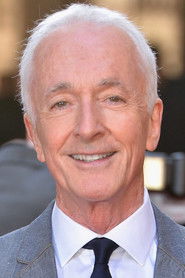
Anthony Daniels (born February 21, 1946) is an English actor and mime artist, best known for playing C-3PO in 11 Star Wars films (every film of the Skywalker saga, Rogue One and The Clone Wars theatrical film).
Also known forStar Wars(1977) · Star Wars: The Force Awakens(2015) · Return of the Jedi(1983) · Rogue One: A Star Wars Story(2016)
The epic saga continues as Luke Skywalker, in hopes of defeating the evil Galactic Empire, learns the ways of the Jedi from aging master Yoda. But Darth Vader is more determined than ever to capture Luke. Meanwhile, rebel leader Princess Leia, cocky Han Solo, Chewbacca, and droids C-3PO and R2-D2 are thrown into various stages of capture, betrayal and despair.
Born September 22, 1937 · Cardiff, Wales, UK · Died September 4, 1987
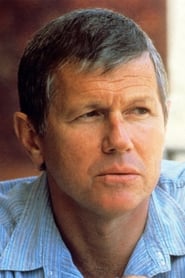
Richard Alfred Marquand (22 September 1937 – 4 September 1987) was a Welsh film director best known for directing the blockbuster Star Wars film, Star Wars Episode VI: Return of the Jedi (1983).
Also known forJagged Edge(1985) · Eye of the Needle(1981) · The Legacy(1978) · Birth of the Beatles(1979)
Born September 25, 1951 · Oakland, California, USA
Mark Richard Hamill (born September 25, 1951) is an American actor. He is best known for starring as Luke Skywalker in the Star Wars franchise and the Joker in various animated DC Comics projects, starting with Batman: The Animated Series in 1992.
Through the 1980s, Hamill distinguished himself from his Star Wars role by pursuing a Broadway theatre career, starring in productions of The Elephant Man, Amadeus and The…
Also known forStar Wars(1977) · Star Wars: The Force Awakens(2015) · The Empire Strikes Back(1980) · Kingsman: The Secret Service(2015)
Legendary Hollywood Icon Harrison Ford was born on July 13, 1942 in Chicago, Illinois. His family history includes a strong lineage of actors, radio personalities, and models. Ford attended public high school in Park Ridge, Illinois where he was a member of the school Radio Station WMTH. Ford worked as the lead voice for sports reporting at WMTH for several years. Acting wasn't a major interest to Ford until his juni…
Also known forStar Wars(1977) · Star Wars: The Force Awakens(2015) · The Empire Strikes Back(1980) · Blade Runner 2049(2017)
Born October 21, 1956 · Beverly Hills, Los Angeles, California, USA · Died December 27, 2016
Carrie Frances Fisher (October 21, 1956 – December 27, 2016) was an American actress, novelist, screenwriter, and lecturer. Daughter of the famous actors Debbie Reynolds and Eddie Fisher, she gained fame for her portrayal of Princess Leia Organa in the original Star Wars trilogy. Her novel Postcards from the Edge was also a bestseller, for which she wrote a screenplay to the film of the same name.
Also known forStar Wars(1977) · Star Wars: The Force Awakens(2015) · The Empire Strikes Back(1980) · Star Wars: The Last Jedi(2017)
William December "Billy Dee" Williams Jr. (born April 6, 1937) is an American actor, artist, and singer. He is best known as Lando Calrissian in the Star Wars franchise, first in the early 1980s, and nearly forty years later in The Rise of Skywalker (2019), marking one of the longest intervals between onscreen portrayals of a character by the same actor in American film history.
He made his film debut in 1959 in The…
Also known forThe Empire Strikes Back(1980) · Star Wars: The Rise of Skywalker(2019) · Batman(1989) · The Lego Movie(2014)
Born February 21, 1946 · Salisbury, Wiltshire, England, UK
Anthony Daniels (born February 21, 1946) is an English actor and mime artist, best known for playing C-3PO in 11 Star Wars films (every film of the Skywalker saga, Rogue One and The Clone Wars theatrical film).
Also known forStar Wars(1977) · Star Wars: The Force Awakens(2015) · The Empire Strikes Back(1980) · Rogue One: A Star Wars Story(2016)
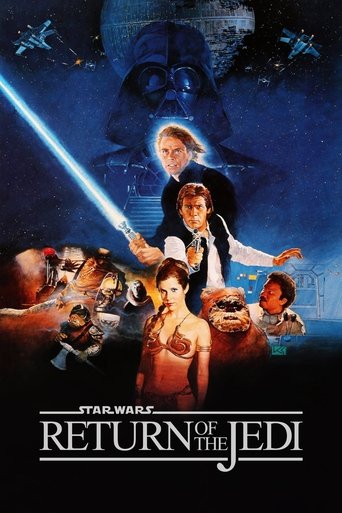
Luke Skywalker leads a mission to rescue his friend Han Solo from the clutches of Jabba the Hutt, the Emperor prepares to crush the Rebellion with a more powerful Death Star, and the Rebel fleet mounts a massive attack on the space station. Luke Skywalker confronts Darth Vader in a final climactic duel before the evil Emperor.
Born January 12, 1957 · Hollywood, Los Angeles, California, USA
John Alan Lasseter (born January 12, 1957) is an American film director, producer, screenwriter, animator, voice actor, and the head of animation at Skydance Animation.
Also known forCars(2006) · Toy Story 2(1999) · A Bug's Life(1998) · Cars 2(2011)
Thomas Jeffrey Hanks (born July 9, 1956) is an American actor and filmmaker. Known for both his comedic and dramatic roles, Hanks is one of the most popular and recognizable film stars worldwide, and is widely regarded as an American cultural icon.
Hanks made his breakthrough with leading roles in the comedies Splash (1984) and Big (1988).
Also known forForrest Gump(1994) · The Green Mile(1999) · Saving Private Ryan(1998) · Catch Me If You Can(2002)
Timothy Alan Dick (born June 13, 1953), known professionally as Tim Allen, is an American actor and comedian. He is known for playing Tim "The Toolman" Taylor on the ABC sitcom Home Improvement (1991–1999) for which he won a Golden Globe Award as Mike Baxter on the ABC/Fox sitcom Last Man Standing (2011–2021).
Also known forToy Story 3(2010) · Cars(2006) · Toy Story 2(1999) · Toy Story 4(2019)
Born May 8, 1926 · Queens, New York City, New York, USA · Died April 6, 2017
Donald Jay Rickles (May 8, 1926 – April 6, 2017) was an American stand-up comedian and actor, known primarily for his insult comedy. His film roles include Run Silent, Run Deep (1958), Enter Laughing (1967), Kelly's Heroes (1970), and Casino (1995).
From 1976 to 1978, Rickles had a two-season starring role in the NBC television sitcom C.P.O.
Also known forToy Story 3(2010) · Toy Story 2(1999) · Toy Story 4(2019) · Casino(1995)
Born June 15, 1949 · Lexington, Kentucky, USA · Died February 10, 2000
James Albert "Jim" Varney Jr. (June 15, 1949 – February 10, 2000) was an American actor, voice artist, and comedian, best known for his role as Ernest P. Worrell. The character was used in numerous television commercial campaigns and movies.
Also known forToy Story 2(1999) · The Simpsons(1989) · Atlantis: The Lost Empire(2001) · The Beverly Hillbillies(1993)
Born November 12, 1943 · New York City, New York, USA
Wallace Michael Shawn (born November 12, 1943) is an American actor, essayist, playwright, and screenwriter. He is known for playing Vizzini in The Princess Bride (1987), Mr. Hall in Clueless (1995), Dr.
Also known forMonsters, Inc.(2001) · The Incredibles(2004) · Toy Story 3(2010) · Toy Story 2(1999)
Led by Woody, Andy's toys live happily in his room until Andy's birthday brings Buzz Lightyear onto the scene. Afraid of losing his place in Andy's heart, Woody plots against Buzz. But when circumstances separate Buzz and Woody from their owner, the duo eventually learns to put aside their differences.
George Walton Lucas Jr. (born May 14, 1944) is an American filmmaker and entrepreneur. Lucas is known for creating the Star Wars and Indiana Jones franchises and founding Lucasfilm, LucasArts and Industrial Light & Magic.
Also known forStar Wars(1977) · Return of the Jedi(1983) · Star Wars: Episode III - Revenge of the Sith(2005) · Star Wars: Episode II - Attack of the Clones(2002)
Born June 7, 1952 · Ballymena, County Antrim, Northern Ireland, UK
William John Neeson (born 7 June 1952) is an Irish actor. He was born in Ballymena, County Antrim, Northern Ireland and educated at Saint Patrick's College, Ballymena Technical College and Queen's University Belfast. He moved to Dublin after university to further his acting career, joining the renowned Abbey Theatre.
Also known forThe Dark Knight Rises(2012) · Batman Begins(2005) · Schindler's List(1993) · Star Wars: Episode II - Attack of the Clones(2002)
Ewan Gordon McGregor (born March 31, 1971) is a Scottish actor. His accolades include a Golden Globe Award and a Primetime Emmy Award. In 2013, he was appointed Officer of the Order of the British Empire (OBE) for his services to drama and charity.
While studying drama at the Guildhall School of Music and Drama, McGregor began his career with a leading role in the British series Lipstick on Your Collar (1993).
Also known forStar Wars: The Force Awakens(2015) · Beauty and the Beast(2017) · Star Wars: Episode III - Revenge of the Sith(2005) · Star Wars: Episode II - Attack of the Clones(2002)
Natalie Hershlag (born June 9, 1981), known professionally as Natalie Portman, is an Israeli actress, film producer and director. She has had a prolific screen career from her teenage years and has starred in various blockbusters and independent films, receiving multiple accolades, including an Academy Award, a BAFTA Award, and two Golden Globe Awards.
Portman was born in Jerusalem and moved to the United States whe…
Also known forAvengers: Endgame(2019) · Thor(2011) · Thor: The Dark World(2013) · Léon: The Professional(1994)
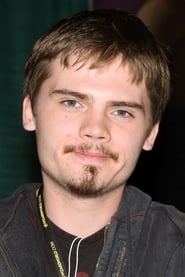
Jake Lloyd is a former American actor, who gained worldwide fame when he was chosen by George Lucas to play the young Anakin Skywalker in Star Wars Episode I: The Phantom Menace, the first film in the Star Wars prequel trilogy. He reprised this role in five subsequent Star Wars video games. Lloyd is also known for his recurring roles as Jimmy Sweet in ER, and Young Angelo in The Pretender.
Also known forJingle All the Way(1996) · ER(1994) · The Pretender(1996) · Unhook the Stars(1996)
Born August 11, 1944 · Carnoustie, Tayside, Scotland, UK
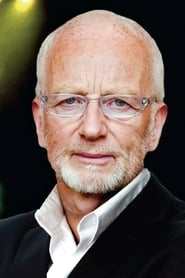
Ian McDiarmid (born 11 August 1944) is a Scottish actor and director best known for portraying Emperor Palpatine in the Star Wars film series. He has received an Olivier Award for Best Actor and a Tony Award for Best Featured Actor in a Play for his performances. Wikipedia
Also known forReturn of the Jedi(1983) · Star Wars: Episode III - Revenge of the Sith(2005) · Star Wars: Episode II - Attack of the Clones(2002) · Star Wars: The Rise of Skywalker(2019)
Anakin Skywalker, a young slave strong with the Force, is discovered on Tatooine. Meanwhile, the evil Sith have returned, enacting their plot for revenge against the Jedi.
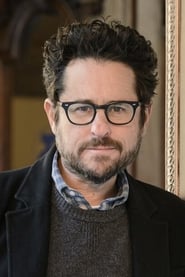
Jeffrey Jacob Abrams (born June 27, 1966) is an American filmmaker and composer. He is best known for his works in the genres of action, drama, and science fiction. Abrams wrote and produced films such as Regarding Henry (1991), Forever Young (1992), Armageddon (1998), Cloverfield (2008), Star Trek (2009), Star Wars: The Force Awakens (2015), and Star Wars: The Rise of Skywalker (2019).
Also known forStar Wars: The Rise of Skywalker(2019) · Star Trek(2009) · Star Trek Into Darkness(2013) · Armageddon(1998)
Born April 10, 1992 · Westminster, London, England, UK
Daisy Jazz Isobel Ridley (born 10 April 1992) is an English actress, who rose to prominence for her role as Rey in the Star Wars sequel trilogy: The Force Awakens (2015), The Last Jedi (2017), and The Rise of Skywalker (2019).
She also appeared in the mystery film Murder on the Orient Express (2017), played the title character of the romantic drama Ophelia (2018), and has done occasional voice acting, notably the li…
Also known forStar Wars: The Last Jedi(2017) · Star Wars: The Rise of Skywalker(2019) · Murder on the Orient Express(2017) · Chaos Walking(2021)
Born March 17, 1992 · Peckham, London, England, UK
John Adedayo Bamidele Adegboyega (born 17 March 1992), known professionally as John Boyega, is a British actor and producer. He first gained recognition in Britain for his role as a teenage gang leader in the comedy horror film Attack the Block (2011) before he had his international breakthrough playing Finn in Star Wars: The Force Awakens (2015).
Also known forStar Wars: The Last Jedi(2017) · Star Wars: The Rise of Skywalker(2019) · Pacific Rim: Uprising(2018) · The Circle(2017)
Óscar Isaac Hernández Estrada (born March 9, 1979) is an American actor. Recognized for his versatility, he has been credited with breaking stereotypes about Latino characters in Hollywood. He was named the best actor of his generation by Vanity Fair in 2017 and one of the 25 greatest actors of the 21st century by The New York Times in 2020.
Also known forSpider-Man: Into the Spider-Verse(2018) · Star Wars: The Last Jedi(2017) · Dune(2021) · Ex Machina(2015)
Born November 19, 1983 · San Diego, California, USA
Adam Douglas Driver (born November 19, 1983) is an American actor. His breakout performance as Adam Sackler in the HBO television series Girls(2012–2017) earned him three consecutive Primetime Emmy nominations.
Also known forStar Wars: The Last Jedi(2017) · Star Wars: The Rise of Skywalker(2019) · The Simpsons(1989) · BlacKkKlansman(2018)
Born October 21, 1956 · Beverly Hills, Los Angeles, California, USA · Died December 27, 2016
Carrie Frances Fisher (October 21, 1956 – December 27, 2016) was an American actress, novelist, screenwriter, and lecturer. Daughter of the famous actors Debbie Reynolds and Eddie Fisher, she gained fame for her portrayal of Princess Leia Organa in the original Star Wars trilogy. Her novel Postcards from the Edge was also a bestseller, for which she wrote a screenplay to the film of the same name.
Also known forStar Wars(1977) · The Empire Strikes Back(1980) · Return of the Jedi(1983) · Star Wars: The Last Jedi(2017)
Born October 19, 1966 · Queens, New York City, New York, USA
Jonathan Kolia Favreau (/ˈfævroʊ/ FAV-roh; born October 19, 1966) is an American actor and filmmaker. He has received numerous accolades including an Emmy Award and two Saturn Awards.
Also known forIron Man(2008) · Iron Man 2(2010) · The Lion King(2019) · The Jungle Book(2016)
José Pedro Balmaceda Pascal (Spanish: [xoˈseˈpeðɾo βalmaˈseða pasˈkal]; born April 2, 1975) is a Chilean and American actor. Known for his portrayals of parental figures, he has starred in television series and blockbuster films.
Also known forGame of Thrones(2011) · Kingsman: The Golden Circle(2017) · Wonder Woman 1984(2020) · The Last of Us(2023)
Katee Sackhoff (born April 8, 1980) is an American actress. She is known for playing Lieutenant Kara "Starbuck" Thrace on the Sci Fi Channel's television program Battlestar Galactica (2004–2009), Niko Breckenridge on the Netflix series Another Life (2019–2021), Victoria "Vic" Moretti on the A&E / Netflix series Longmire and Bo-Katan Kryze on the Disney+ series The Mandalorian (2020-present).
Also known forThe Big Bang Theory(2007) · The Flash(2014) · Riddick(2013) · Futurama(1999)
Born August 14, 1973 · Mission Viejo, California, USA
Misty Rosas (born August 14, 1973) is a stuntperson and suit performer who played Beary Barrington in the Creature Shop-effects film The Country Bears, and served as the motion-capture performer for Sid on Sid the Science Kid.
Also known forThe Mandalorian and Grogu(2026) · Congo(1995) · Instinct(1999) · Altered(2006)
Born January 14, 1948 · New Orleans, Louisiana, USA · Died February 2, 2024
Carl Weathers (January 14, 1948 – February 2, 2024) was an American actor, director, as well as former professional football player in the United States and Canada. He was best known for playing Apollo Creed in the Rocky series of films.
Also known forToy Story 4(2019) · Predator(1987) · Rocky(1976) · Rocky II(1979)
Lucasfilm Ltd., Golem Creations, Fairview Entertainment
Country
United States of America
Audience score
8.4 / 10 TMDB, 11,404 votes
After the fall of the Galactic Empire, lawlessness has spread throughout the galaxy. A lone gunfighter makes his way through the outer reaches, earning his keep as a bounty hunter.
The Line Around the Block: Star Wars, 1977, and Everything After
Star Wars opened in just 32 theatres on a Wednesday in May 1977. What followed changed more than the box office: it taught audiences to come back, again and aga