When the French New Wave Ignited a Cinematic Revolution
In a pivotal shift for global filmmaking, the French New Wave emerged from a desire to break with stagnant traditions. Films like The 400 Blows and Breathless redefined cinematic language, forever changing how stories were told and perceived on screen.
In the waning years of the 1950s, a stale air permeated French cinema, defined by lavish, literary adaptations and an established "tradition of quality." But beneath this polished surface, a group of young critics at Cahiers du Cinéma argued for a cinema rooted in personal expression, authorial vision, and an unflinching realism. Their dissatisfaction was not merely academic; it was a prelude to a seismic shift that would erupt on screens in 1959 and 1960, fundamentally rewriting the art of cinema for generations to come.
The Personal Gaze of 1959
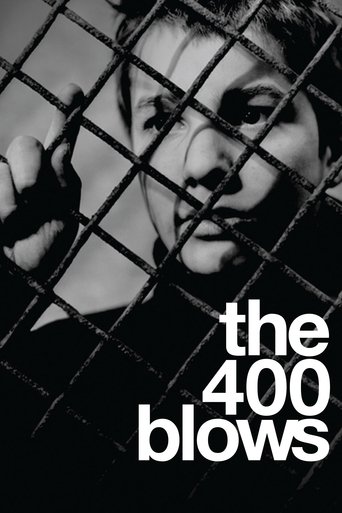
The first significant tremor arrived with François Truffaut's audacious debut, The 400 Blows. Released in 1959, this semi-autobiographical tale of Antoine Doinel, a misunderstood Parisian youth, struck audiences with its raw honesty. Truffaut discarded the artificiality of studio sets, opting for natural light and real locations, often capturing his protagonist with a handheld camera that lent the film an unprecedented sense of intimacy and immediacy. The camera moved with Doinel, reflecting his restless spirit and offering a deeply empathetic, yet unsentimental, portrait of adolescence.
The film's impact was immediate. It earned Truffaut the Best Director award at the Cannes Film Festival and, later, an Academy Award nomination for Best Original Screenplay at the ceremony held in 1960, a rare nod for a foreign-language film of its style. For the audience, The 400 Blows resonated powerfully, presenting childhood not as a romanticized ideal, but as a complex struggle against institutions and indifference. The film's iconic final shot – Antoine Doinel running towards the sea, freezing in a direct stare at the camera – broke the fourth wall and etched itself into the collective consciousness, symbolizing both liberation and a profound uncertainty.
Breaking the Rules, 1960
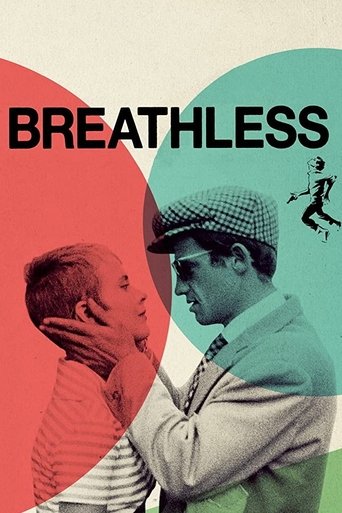
No sooner had audiences absorbed Truffaut's revolution than Jean-Luc Godard unleashed Breathless in 1960, a film that blew apart conventional narrative and visual grammar with casual abandon. Where Truffaut softened the edges of realism with lyrical humanity, Godard attacked the very fabric of cinematic storytelling. Inspired by American film noir, the film follows a petty criminal, Michel Poiccard, and his American girlfriend Patricia Franchini through the streets of Paris, but the narrative is secondary to the film's radical style.
Godard famously employed jump cuts, shattering continuity in a way that felt both jarring and exhilarating. Scenes were often improvised, dialogue overlapped, and actors frequently looked directly into the camera, acknowledging the audience's presence. This deconstruction of the cinematic illusion was a deliberate act, a playful yet profound challenge to the audience's passive consumption of film. Breathless declared that cinema was not just a window to a story, but a medium aware of its own construction, a canvas for bold experimentation. It was a jolt to the system, demonstrating that cinema could be immediate, spontaneous, and intellectually stimulating, all at once.
The Enduring Aftershocks
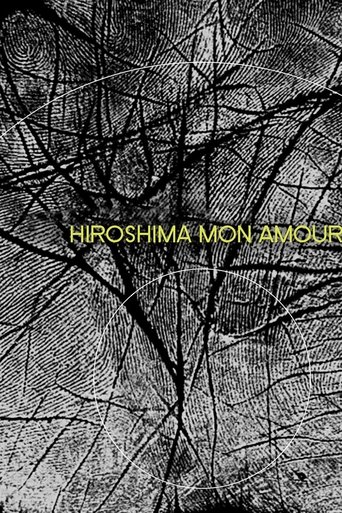
Together, The 400 Blows and Breathless, alongside other seminal works like Alain Resnais's Hiroshima Mon Amour (1959), marked the undisputed arrival of the French New Wave. This movement was not about a unified style, but a shared philosophy: that film should reflect the personal vision of its director, often referred to as the "auteur." It liberated filmmakers from the rigid strictures of studio systems, offering a blueprint for independent production and unconventional storytelling. The impact was global, inspiring generations of directors from the New Hollywood movement in the United States to international independent cinema.
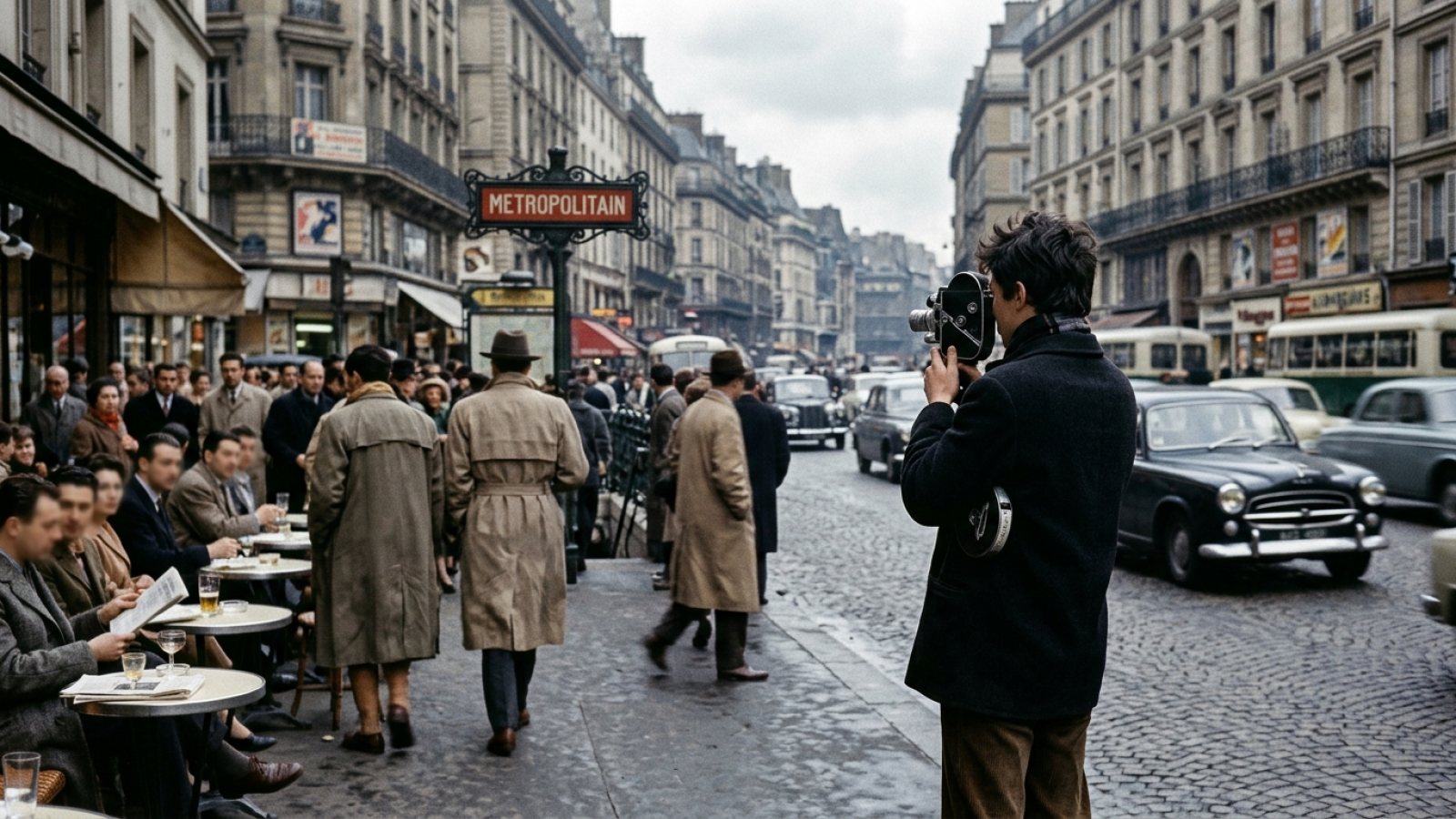
These films taught the world that cinema could be made on a shoestring budget, with lightweight cameras and natural light, capturing the immediacy of life. More than technical innovation, they offered a new way of seeing, a fresh perspective on human experience and the world itself. The French New Wave didn't just add new entries to the cinematic canon; it fundamentally altered the very definition of cinematic art, proving that rules were meant to be broken, and that the most profound stories often emerge from the most personal and audacious visions.