Beyond the Stars: The Enduring Journey of Battlestar Galactica
November 24, 20264 min readBy Cinema Timelines
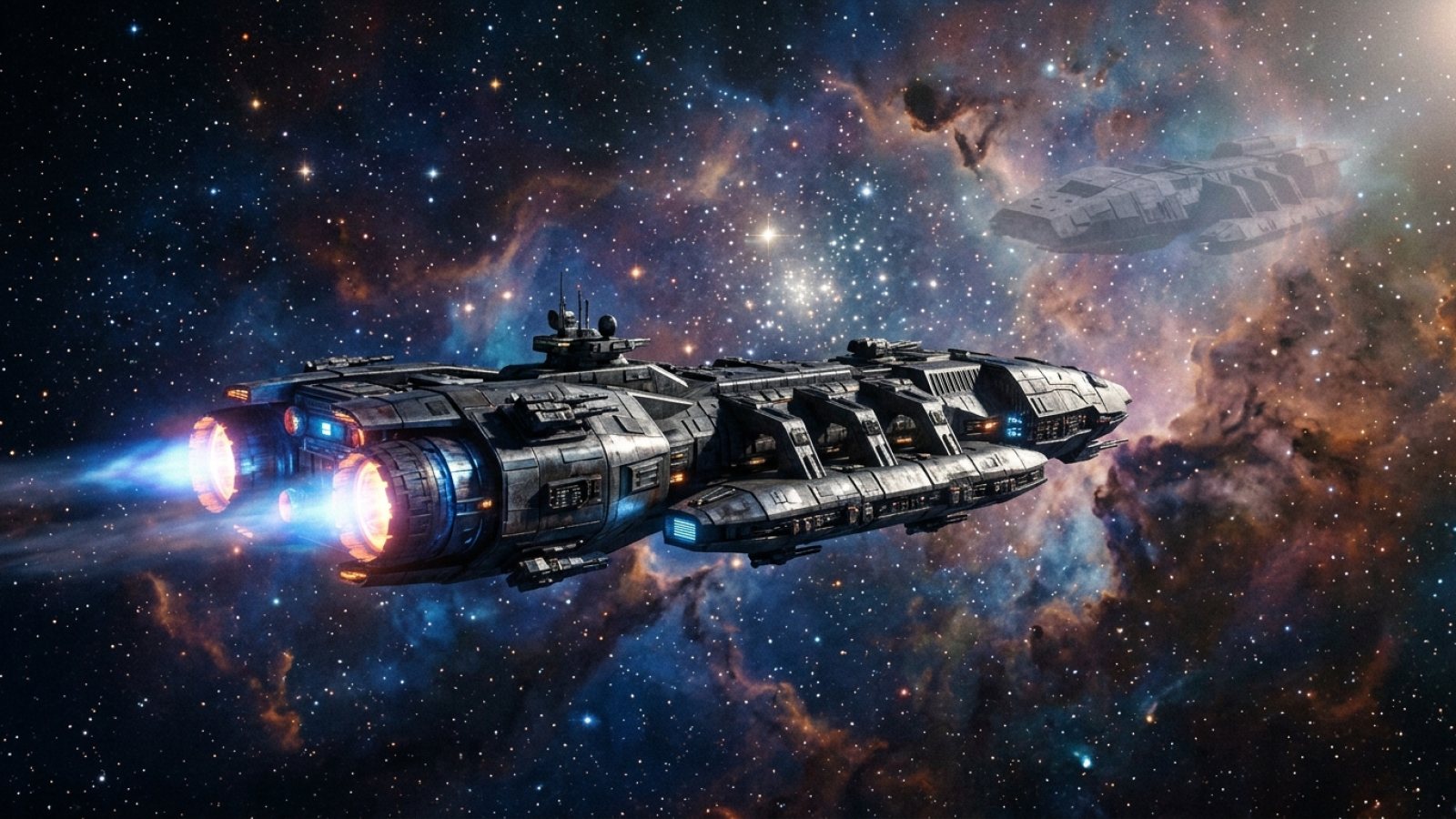
The essence of the Battlestar Galactica franchise's evolution · AI illustration
FRANCHISE HISTORY
Beyond the Stars: The Enduring Journey of Battlestar Galactica
By Cinema Timelines ·
From its 1970s origins as a space opera to its critically acclaimed 2000s reboot, Battlestar Galactica has navigated complex themes of survival and humanity. This timeline explores the franchise's evolution, its remarkable relevance, and its current trajectory through the cinematic landscape.
Few science fiction sagas have captured the human spirit quite like Battlestar Galactica, a franchise that began as a space opera in the late 1970s and evolved into a profound allegory for contemporary struggles. Its journey across decades, mediums, and shifting cultural landscapes speaks to a core human fascination with survival, faith, and the very definition of identity.
A Journey Across the Stars: The Timeline
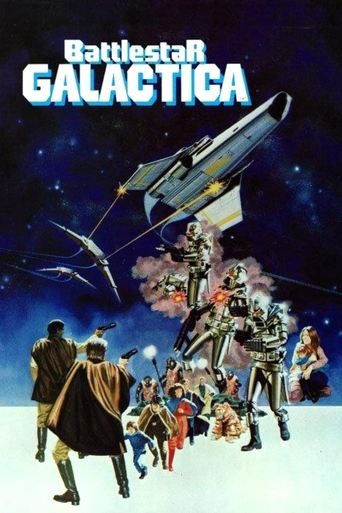
In 1978, Battlestar Galactica, created by Glen A. Larson, first launched on ABC, inviting audiences into a desperate flight for survival after a devastating Cylon attack. The original series, though short-lived, resonated with viewers drawn to its blend of action and high-stakes drama, establishing a foundational mythology. An edited pilot, Saga of a Star World, found cinematic release in Canada and other countries that year, arriving in U.S. theaters in May 1979, bridging the small and large screens for its initial audience.
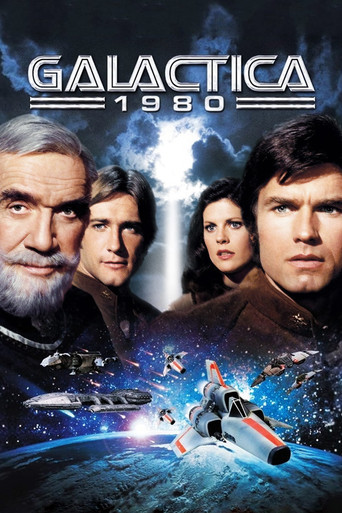
In 1980, a continuation, Galactica 1980, attempted to sustain the narrative, bringing the last human fleet to Earth. This brief run further etched the premise into popular culture, even as its approach differed significantly from its predecessor.
By the late 1990s and early 2000s, the desire for a new Battlestar Galactica never truly faded. Actor Richard Hatch, who played Apollo in the original series, championed a revival, producing a demonstration film, The Second Coming, which stirred fan excitement at conventions. Later, Bryan Singer and Tom DeSanto developed a project for Fox around 2000-2001, but its momentum was disrupted by real-world events and Singer’s commitment to X2.
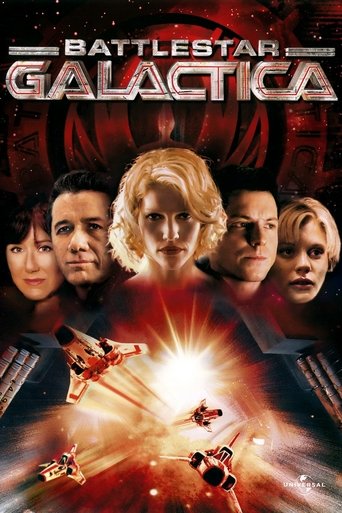
A new vision materialized at Universal, charting the franchise's most impactful course between 2003 and 2009. Ronald D. Moore and David Eick reimagined the saga, beginning with a two-part miniseries that aired on Sci Fi Channel in December 2003. This darker, grittier interpretation captivated a new generation of viewers, leading to a full series that premiered in the UK on Sky One in October 2004 and in the U.S. in January 2005. The series concluded in March 2009, having redefined intelligent science fiction television. Feature-length installments, Battlestar Galactica: Razor (November 24, 2007) and Battlestar Galactica: The Plan (October 2009), further explored and deepened its intricate narrative for a dedicated audience.
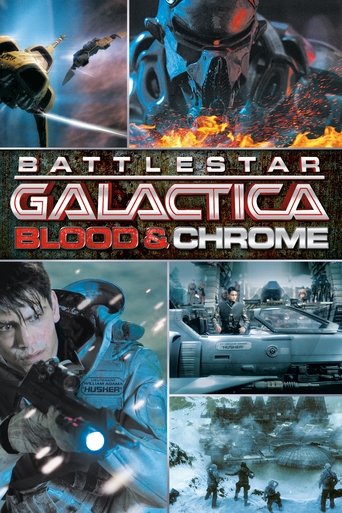
The 2010s saw the franchise expand with prequels. Caprica, exploring the origins of the Cylons, premiered on Syfy on January 22, 2010, offering a glimpse into a time of peace before the war. Though cancelled in October 2010, the universe continued to grow with Battlestar Galactica: Blood & Chrome, a web series in November 2012 that later aired as a Syfy TV movie on February 10, 2013, chronicling the early military career of a young William Adama.
Reflections of Our Time: Why it Endures
The profound impact of the 2003-2009 series stems from its willingness to treat science fiction not merely as escapism, but as a crucible for contemporary human experience. It was a mirror held up to its own era, exploring universal questions through the lens of a desperate fleet. Critics like Time magazine lauded it as an allegory for the war on terror, a narrative steeped in the anxieties of a world grappling with hidden enemies.
The series directly confronted themes of sleeper agents, the insidious nature of an enemy indistinguishable from oneself, and the moral complexities of occupation, particularly in season three, where human insurgents resorted to suicide bombings and prisoners endured torture. It delved into fundamental questions of faith, juxtaposing polytheism with monotheism, and repeatedly interrogated what truly constitutes being human in a post-apocalyptic world.
This unflinching approach garnered significant recognition, reflecting its artistic merit and societal resonance. The series earned a Peabody Award for its 2005 programming, acknowledging its excellence and public service. The American Film Institute included it on its list of the ten best television programs of 2005, a testament to its craft and impact. The episode "33", a taut exploration of unrelenting pursuit and desperation, won a 2005 Hugo Award for its dramatic presentation. Perhaps most tellingly, on March 17, 2009, the United Nations hosted a panel featuring its cast and producers, underscoring how its narratives engaged directly with pressing real-world issues like human rights, terrorism, children in armed conflict, and reconciliation. The series proved that genre storytelling could spark vital global conversations, impacting audience understanding and public discourse.
The Search for a New Home: Where it Stands Now
The enduring appeal of Battlestar Galactica has fueled a continuous desire for new iterations. Since 2009, Universal has explored developing a feature film. Bryan Singer was attached to direct in 2009, and later, Jack Paglen was hired to write in 2014. By 2016, Lisa Joy was reported to be writing, with Francis Lawrence in talks to direct. Most recently, Simon Kinberg was reported in October 2020 as writing and co-producing a new film. No public update has emerged since that time, leaving the feature film's status uncertain for fans.
On the television front, NBCUniversal announced a new series from executive producer Sam Esmail in September 2019, intended for its Peacock streaming service. Derek Simonds was named showrunner in January 2024. However, in July 2024, Peacock stopped developing the project, and Universal Content Productions was reported to be offering it to other platforms. As of mid-November 2026, no new home for this potential series has been publicly reported.
Despite these developmental shifts, the existing Battlestar Galactica library remains readily available. On May 1, 2026, the critically acclaimed 2003-2009 series, along with its associated films, migrated to Paramount+ and Pluto TV, ensuring continued access for both longtime fans and new viewers discovering its profound narratives. Enthusiasts often share fan-made posters and trailers, but it is the confirmed trade reports that signal genuine movement in this enduring franchise.
The ongoing saga of Battlestar Galactica — from its initial flights to its deep thematic explorations and its current state of anticipation — underscores cinema's constant evolution, from big screen to small, and the enduring power of narrative to reflect our world. The questions it posed about survival, humanity, and hope remain as urgent today as they were decades ago, ensuring that the fleet’s desperate journey will continue to resonate for generations to come.
Films in this article
Open any title for its cast, box office and trailer. Budget and worldwide gross from TMDB where published.
Title
Director / creator
Starring
Budget
Worldwide gross
(1978)
Richard A. Colla
Richard Hatch, Dirk Benedict, Lorne Greene
$3M
Battlestar Galactica (1978)
A billion light years from Earth, the human race is fighting for survival.
Director
Released
October 25, 1978
Runtime
2h 2m
Budget
$3M
Starringas Capt. Apollo · as Lt. Starbuck · as Cmdr. Adama · as Lt. Boomer · as Lt. Athena
Born May 21, 1945 · Santa Monica, California, USA · Died February 7, 2017
From Wikipedia, the free encyclopedia
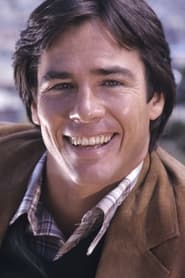
Richard Lawrence Hatch (May 21, 1945 – February 7, 2017) was an American actor, writer, and producer. Hatch began his career as a stage actor, before moving on to television work in the 1970s. Hatch is best known for his role as Captain Apollo in the original Battlestar Galactica television series.
Hatch led an effort to revive the series.
Also known forBattlestar Galactica(2004) · MacGyver(1985) · Baywatch(1989) · Murder, She Wrote(1984)
From Wikipedia, the free encyclopedia
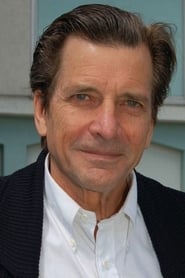
Dirk Benedict (born Dirk Niewoehner; March 1, 1945) is an American movie, television and stage actor, perhaps best known for playing the characters Lieutenant Templeton "Faceman" Peck in The A-Team television series and Lieutenant Starbuck in the original Battlestar Galactica film and television series.
Description above from the Wikipedia article Dirk Benedict, licensed under…
Also known forThe A-Team(2010) · The A-Team(1983) · Walker, Texas Ranger(1993) · Murder, She Wrote(1984)
Born February 12, 1915 · Ottawa, Ontario, Canada · Died September 11, 1987
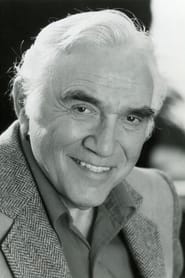
Lorne Hyman Greene (born Lyon Himan Green; February 12, 1915 – September 11, 1987) was a Canadian actor, singer, and radio personality. His notable television roles include Ben Cartwright on the Western Bonanza and Commander Adama in the original science-fiction television series Battlestar Galactica and Galactica 1980.
Also known forBonanza(1959) · Police Squad!(1982) · Earthquake(1974) · Battlestar Galactica(1978)
Born September 23, 1956 · Arcadia, California, USA
Maren Kawehilani Jensen (born September 23, 1956) is an American former model and actress, best known for portraying Lieutenant Athena in the 1978–79 television series Battlestar Galactica. Jensen also made guest appearances in several US television series, such as The Love Boat and Fantasy Island.
Also known forBattlestar Galactica(1978) · Deadly Blessing(1981) · The Love Boat(1977) · Mission Galactica: The Cylon Attack(1979)
After the destruction of the Twelve Colonies of Mankind, the last major fighter carrier leads a makeshift fugitive fleet in a desperate search for the legendary planet Earth.
The great ship Galactica, our home for these many years we've endured the wilderness of space. And now, we near the end of our journey: we have, at last, found Earth.
Created by
First aired
January 27, 1980
Network
ABC
Seasons
1 season · 10 episodes
Budget
Not published by the studio
Starringas Capt. Troy · as Lt. Dillon · as Jamie Hamilton · as Commander Adama · as Dr. Zee
Born January 3, 1937 · Long Beach, California, USA · Died November 14, 2014
Glen Albert Larson (January 3, 1937 – November 14, 2014) was an American television producer, writer, and composer. He created many series, including Alias Smith and Jones, Battlestar Galactica, Buck Rogers in the 25th Century, The Misadventures of Sheriff Lobo, Quincy, M.E., The Hardy Boys/Nancy Drew Mysteries, B. J. and the Bear, The Fall Guy, Magnum, P.I., and Knight Rider.
Also known forBattlestar Galactica(2004) · Knight Rider(1982) · Knight Rider(2008) · Magnum, P.I.(1980)
Born September 26, 1942 · Los Angeles, California, USA
From Wikipedia, the free encyclopedia.
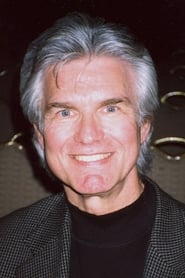
Kent McCord (born September 26, 1942) is an American actor best known for his role as Officer Jim Reed on the television series Adam-12.
Description above from the Wikipedia article Kent McCord, licensed under CC-BY-SA, full list of contributors on Wikipedia
Also known forPredator 2(1990) · Airplane II: The Sequel(1982) · MacGyver(1985) · Return of the Living Dead III(1993)
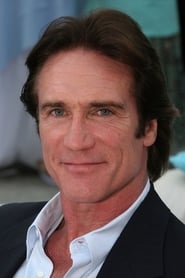
Barry Van Dyke (born July 31, 1951) is an American actor and the second son of actor and entertainer Dick Van Dyke and Margie Willett, and nephew of Jerry Van Dyke.
Also known forFull House(1987) · The A-Team(1983) · Wonder Woman(1975) · Airwolf(1984)
Robyn Douglass (born June 21, 1953) is a retired American actress and model.
Description above from the Wikipedia article Robyn Douglass, licensed under CC-BY-SA, full list of contributors on Wikipedia.
Also known forBreaking Away(1979) · The Lonely Guy(1984) · Partners(1982) · Romantic Comedy(1983)
Born February 12, 1915 · Ottawa, Ontario, Canada · Died September 11, 1987
Lorne Hyman Greene (born Lyon Himan Green; February 12, 1915 – September 11, 1987) was a Canadian actor, singer, and radio personality. His notable television roles include Ben Cartwright on the Western Bonanza and Commander Adama in the original science-fiction television series Battlestar Galactica and Galactica 1980.
Also known forBonanza(1959) · Police Squad!(1982) · Earthquake(1974) · Battlestar Galactica(1978)
30 years after the original Battlestar Galactica series. Upon reaching Earth, the inhabitants of the renegade starfleet take action when they realize earthlings aren't advanced enough to help battle the Cylons.
Ronald Dowl Moore is an American screenwriter and television producer. He is best known for his work on Star Trek; on the re-imagined Battlestar Galactica television series, for which he won a Peabody Award; and on Outlander, based on the novels of Diana Gabaldon.
Also known forOutlander(2014) · Star Trek: First Contact(1996) · Star Trek: The Next Generation(1987) · Battlestar Galactica(2004)
Born February 24, 1947 · Los Angeles, California, USA
Edward James Olmos (born February 24, 1947) is an American actor, director, producer, and activist. He is best known for his roles as Lieutenant Martin "Marty" Castillo in Miami Vice (1984–1989), actor in and director of American Me (1992), William Adama in the re-imagined Battlestar Galactica (2004–2009), teacher Jaime Escalante in Stand and Deliver (1988), and Detective Gaff in Blade Runner (1982), and its sequel…
Also known forCoco(2017) · Blade Runner 2049(2017) · Blade Runner(1982) · The Simpsons(1989)
Born April 28, 1952 · Wilkes-Barre, Pennsylvania, USA
Mary Eileen McDonnell (born April 28, 1952) is an American film, stage, and television actress. She received Academy Award nominations for her roles as Stands With A Fist in Dances With Wolves and May-Alice Culhane in Passion Fish. McDonnell is well known for her performances as President Laura Roslin in Battlestar Galactica, First Lady Marilyn Whitmore in Independence Day, and Rose in Donnie Darko.
Also known forDonnie Darko(2001) · Grey's Anatomy(2005) · Independence Day(1996) · Dances with Wolves(1990)
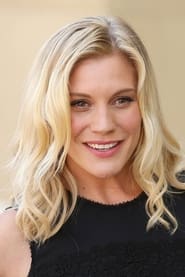
Katee Sackhoff (born April 8, 1980) is an American actress. She is known for playing Lieutenant Kara "Starbuck" Thrace on the Sci Fi Channel's television program Battlestar Galactica (2004–2009), Niko Breckenridge on the Netflix series Another Life (2019–2021), Victoria "Vic" Moretti on the A&E / Netflix series Longmire and Bo-Katan Kryze on the Disney+ series The Mandalorian (2020-present).
Also known forThe Big Bang Theory(2007) · The Flash(2014) · The Mandalorian(2019) · Riddick(2013)
Born April 3, 1973 · Hammersmith, London, England, UK
Jamie St John Bamber Griffith (born 3 April 1973) is a British actor, known most widely for his roles as Lee Adama on Battlestar Galactica and Detective Sergeant Matt Devlin on the ITV series Law & Order: UK.
Also known forHouse(2004) · Band of Brothers(2001) · NCIS(2003) · Ghost Whisperer(2005)
James Callis (born 4 June 1971) is a British actor. He is best known for playing Dr. Gaius Baltar in the re-imagined Battlestar Galactica miniseries and television series, and Bridget Jones' best friend in Bridget Jones's Diary and Bridget Jones: The Edge of Reason. He joined the cast of the TV Series Eureka, on Syfy, in 2010.
Also known forRick and Morty(2013) · Arrow(2012) · Bridget Jones's Diary(2001) · Bridget Jones's Baby(2016)
A re-imagining of the original series in which a "rag-tag fugitive fleet" of the last remnants of mankind flees pursuing robots while simultaneously searching for their true home, Earth.
Félix Enríquez Alcalá (sometimes credited as Felix Alcala) (born March 7, 1951, in Bakersfield, California) is an Argentine-American film and television director.
Alcalá's first major breakthrough came in 1991 when he was hired by Lynn Marie Latham and Bernard Lechowick to direct an episode of ABC's short-lived drama series Homefront.
Also known forBreaking Bad(2008) · House(2004) · Suits(2011) · Law & Order: Special Victims Unit(1999)
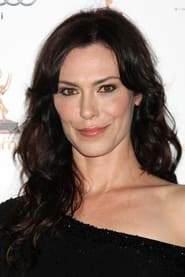
Michelle Forbes (born January 8, 1965) is an American film and television actress, best known for many recurring appearances on genre and drama television shows such as "Star Trek: The Next Generation", "Battlestar Galactica", "24", "Prison Break", and "True Blood".
Also known forThe Hunger Games: Mockingjay - Part 2(2015) · Grey's Anatomy(2005) · Prison Break(2005) · Lost(2004)
Born December 22, 1949 · Old Lyme, Connecticut, USA
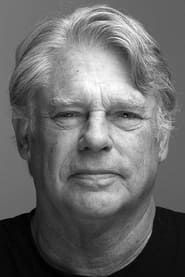
Graham Beckel was born on December 22, 1949 in Old Lyme, Connecticut, USA. He is an actor and director, known for Leaving Las Vegas (1995), L.A. Confidential (1997) and The Paper Chase (1973).
Also known forGrey's Anatomy(2005) · Nocturnal Animals(2016) · Brokeback Mountain(2005) · Pearl Harbor(2001)
Born April 3, 1973 · Hammersmith, London, England, UK
Jamie St John Bamber Griffith (born 3 April 1973) is a British actor, known most widely for his roles as Lee Adama on Battlestar Galactica and Detective Sergeant Matt Devlin on the ITV series Law & Order: UK.
Also known forHouse(2004) · Band of Brothers(2001) · NCIS(2003) · Ghost Whisperer(2005)
Born February 24, 1947 · Los Angeles, California, USA
Edward James Olmos (born February 24, 1947) is an American actor, director, producer, and activist. He is best known for his roles as Lieutenant Martin "Marty" Castillo in Miami Vice (1984–1989), actor in and director of American Me (1992), William Adama in the re-imagined Battlestar Galactica (2004–2009), teacher Jaime Escalante in Stand and Deliver (1988), and Detective Gaff in Blade Runner (1982), and its sequel…
Also known forCoco(2017) · Blade Runner 2049(2017) · Blade Runner(1982) · The Simpsons(1989)
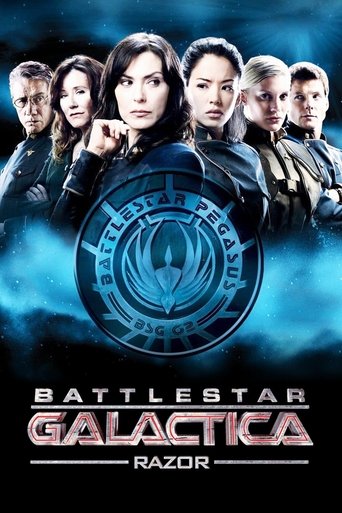
The history and adventures of the Battlestar Pegasus, from shortly before the Cylon invasion to shortly after Lee Adama is made commander. The story is told through the eyes of and largely focuses on one particular member of Pegasus's crew, Kendra Shaw.
Science Fiction · Action · Drama · Thriller · TV Movie
Born February 24, 1947 · Los Angeles, California, USA
Edward James Olmos (born February 24, 1947) is an American actor, director, producer, and activist. He is best known for his roles as Lieutenant Martin "Marty" Castillo in Miami Vice (1984–1989), actor in and director of American Me (1992), William Adama in the re-imagined Battlestar Galactica (2004–2009), teacher Jaime Escalante in Stand and Deliver (1988), and Detective Gaff in Blade Runner (1982), and its sequel…
Also known forBattlestar Galactica(2004) · Miami Vice(1984) · American Me(1992) · The Devil Has a Name(2019)
Born March 5, 1936 · North Hollywood, Los Angeles, California, USA · Died November 7, 2021
Robert Dean Stockwell (March 5, 1936 – November 7, 2021) was an American film, television and stage actor with a career spanning over 70 years. As a child actor under contract to Metro-Goldwyn-Mayer, he first came to the public's attention in films including Anchors Aweigh (1945), The Green Years (1946), Gentleman's Agreement (1947), The Boy with Green Hair (1948), and Kim (1950).
Also known forBlue Velvet(1986) · Dune(1984) · Air Force One(1997) · Beverly Hills Cop II(1987)
Edward Michael Trucco (born June 22, 1970) is an American actor with Italian roots. He is best known for his roles as Rufus Griswold on Netflix's The Fall of the House of Usher, Wade Scarborough on Netflix's Midnight Mass, Devin Hall in Hunter Killer (2018), ADA Sean Del Monte on ABC's The Rookie, Tae Kwon Doug on Netflix's Disjointed, Billy Parker on ABC's Killer Women, Justin Patrick on USA Network's Fairly Legal,…
Also known forThe Big Bang Theory(2007) · The Good Doctor(2017) · How I Met Your Mother(2005) · Hush(2016)
Born March 14, 1974 · Los Angeles, California, USA
Grace Park is an American-Canadian actress and model best known for her roles as Sharon “Boomer” Valerii in the science-fiction series Battlestar Galactica (2003–2009) and Officer Kono Kalakaua in the CBS police procedural Hawaii Five-0 (2010–2017).
Also known forAmerican Dad!(2005) · Stargate SG-1(1997) · Hawaii Five-0(2010) · Battlestar Galactica(2004)
Born March 13, 1949 · Kirkland Lake, Ontario, Canada
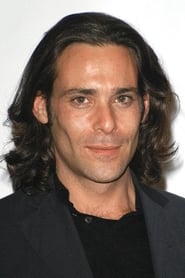
Michael Hogan is a Canadian actor of Irish descent. He is notable for numerous roles in TV and film over the past five decades, such as Colonel Saul Tigh in the Battlestar Galactica re-imagining or Billy in The Peanut Butter Solution. Hogan also lent his voice to some video games characters, with the most famous being Doc Mitchell in Fallout: New Vegas and Armando-Owen Bailey in the Mass Effect series.
Also known forSonic the Hedgehog(2020) · Supernatural(2005) · The Mentalist(2008) · Teen Wolf(2011)
When the initial Cylon attack against the Twelve Colonies fails to achieve complete extermination of human life as planned, twin Number Ones (Cavils) embedded on Galactica and Caprica must improvise to destroy the human survivors.
Ronald Dowl Moore is an American screenwriter and television producer. He is best known for his work on Star Trek; on the re-imagined Battlestar Galactica television series, for which he won a Peabody Award; and on Outlander, based on the novels of Diana Gabaldon.
Also known forOutlander(2014) · Star Trek: First Contact(1996) · Star Trek: The Next Generation(1987) · Battlestar Galactica(2004)
Born September 30, 1961 · Whittier, California, USA
Eric Hamilton Stoltz (born September 30, 1961) is an American actor and director. He is known for playing sensitive misfits (Mask, Kicking and Screaming, The Waterdance, Killing Zoe). He was nominated for a Golden Globe Award for Best Supporting Actor in a Motion Picture for Mask.
Also known forPulp Fiction(1994) · Back to the Future(1985) · Grey's Anatomy(2005) · The Butterfly Effect(2004)
Born October 1, 1962 · Brooklyn, New York City, New York, USA
Esai Manuel Morales Jr. (born October 1, 1962) is an American actor. He has had notable roles in Bad Boys with Sean Penn and La Bamba with Lou Diamond Phillips. His television roles include the PBS 2002 drama series American Family, the Showtime series Resurrection Blvd. (2000–2002), portraying Lt.
Also known forMission: Impossible - Dead Reckoning Part One(2023) · Law & Order: Special Victims Unit(1999) · Criminal Minds(2005) · Mission: Impossible - The Final Reckoning(2025)
Paula Malcomson (born June 1, 1970) is a Northern Irish actress born in Belfast, Northern Ireland. Malcomson is sometimes credited as Paula Williams. She starred as "Trixie" in the HBO series Deadwood and Colleen in ABC's Lost. She played the role of Amanda Graystone in the Battlestar Galactica spin-off series Caprica, on the Sci Fi Channel, as well as the role of Maureen Ashby on the FX Series Sons of Anarchy.
Also known forThe Hunger Games(2012) · The Green Mile(1999) · The Hunger Games: Catching Fire(2013) · The Hunger Games: Mockingjay - Part 1(2014)
Alessandra Torresani (born Alessandra Olivia Toreson; May 29, 1987) is an American actress. Prior to 2007, she is credited as Alessandra Toreson.
Description above from the Wikipedia article Alessandra Torresani, licensed under CC-BY-SA, full list of contributors on Wikipedia.
Also known forLucifer(2016) · The Big Bang Theory(2007) · American Horror Story(2011) · Malcolm in the Middle(2000)
Born November 8, 1985 · Vancouver, British Columbia, Canada
From Wikipedia, the free encyclopedia
Magda Apanowicz (born November 8, 1985 height 5' 3" (1,60 m)) is a Canadian actress, best known for her roles as Andy Jensen on the TV series Kyle XY and Lacy Rand on Caprica.
Apanowicz is of Polish descent and spent a year in Poland in the ninth grade.
Also known forThe Flash(2014) · Supernatural(2005) · The Butterfly Effect(2004) · The Mentalist(2008)
Set 58 years before Battlestar Galactica, Caprica follows two rival families - the Graystones and the Adamas - as they grow, compete, and thrive in the vibrant world of the peaceful 12 Colonies, living in a society close to our own. Entangled in the burgeoning technology of artificial intelligence and robotics that will eventually lead to the creation of the Cylons, the two houses go toe-to-toe, blending action with corporate conspiracy and sexual politics.
Born January 15, 1970 · Raeford, North Carolina, USA
Jonas James Pate (born January 15, 1970) is an American screenwriter, director and producer. He wrote and directed The Grave, Deceiver, The Take, and directed Shrink.
Pate also co-created the USA Network series Good vs Evil, the NBC series Surface, and the Netflix series Outer Banks.
Description above from the Wikipedia article Jonas Pate, licensed under CC-BY-SA, full list of contributors on Wikipedia.
Also known forMarvel's Iron Fist(2017) · Battlestar Galactica(2004) · Outer Banks(2020) · Chuck(2007)
Born February 19, 1990 · Peterborough, Cambridgeshire, England, UK
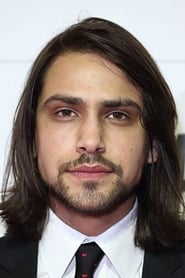
Luke Pasqualino (born Luca Giuseppe Pasqualino on 19 February 1990 in Peterborough, England) is an English actor, best known for his portrayal of Freddie Mclair in the television series Skins. Description above from the Wikipedia article Luke Pasqualino, licensed under CC-BY-SA, full list of contributors on Wikipedia.
Also known forSnowpiercer(2013) · Shadow and Bone(2021) · Skins(2007) · The Lord of the Rings: The War of the Rohirrim(2024)
Ben Cotton (born July 26, 1975) is a Canadian film and television actor. His most notable roles are on the TV series Stargate Atlantis playing scientist Dr. Kavanagh, his portrayal of "Leon Bell" in the game Dead Rising 2, Shane Pierce, the local townie, on CBS's Harper's Island and Lt. Coker Fasjovik in Battlestar Galactica: Blood and Chrome.
Also known forRiverdale(2017) · The Good Doctor(2017) · The 100(2014) · Supernatural(2005)
Jill Teed (born 9 April 1964) is a Canadian actress. She is an actress who has appeared in many sci-fi roles. She has appeared in a number of television guest roles such as Street Justice, The X-Files, Stargate SG-1, Sliders, and The Outer Limits.
Also known forThe Good Doctor(2017) · X2(2003) · Godzilla(2014) · Supernatural(2005)
John Pyper-Ferguson (born February 27, 1964) is a Canadian actor. He has appeared in a wide range of films and television shows. His notable works include playing Sonny Hamilton on Hamilton's Quest, Peter Hutter on The Adventures of Brisco County, Jr., and Joe Whedon on Brothers & Sisters.
Also known forDrive(2011) · X-Men: The Last Stand(2006) · The 100(2014) · Pearl Harbor(2001)
The first Cylon war has been raging for 10 years and a young Ensign William Adama joins the fleet. Disappointed not to be assigned to a fighter but to a freighter, his co-pilot also isn't too keen on having a rookie flying his aircraft as he has only a short time before he again becomes a civilian. Their cargo is a civilian scientist, but they no sooner leave than she has new orders for them and a new destination. Although she’s less than forthcoming about the details, Adama is keen—particularly as it involves going into Cylon controlled space. However, nothing is as it seems.
Beyond the Stars: The Enduring Journey of Battlestar Galactica
From its 1970s origins as a space opera to its critically acclaimed 2000s reboot, Battlestar Galactica has navigated complex themes of survival and humanity. Th